
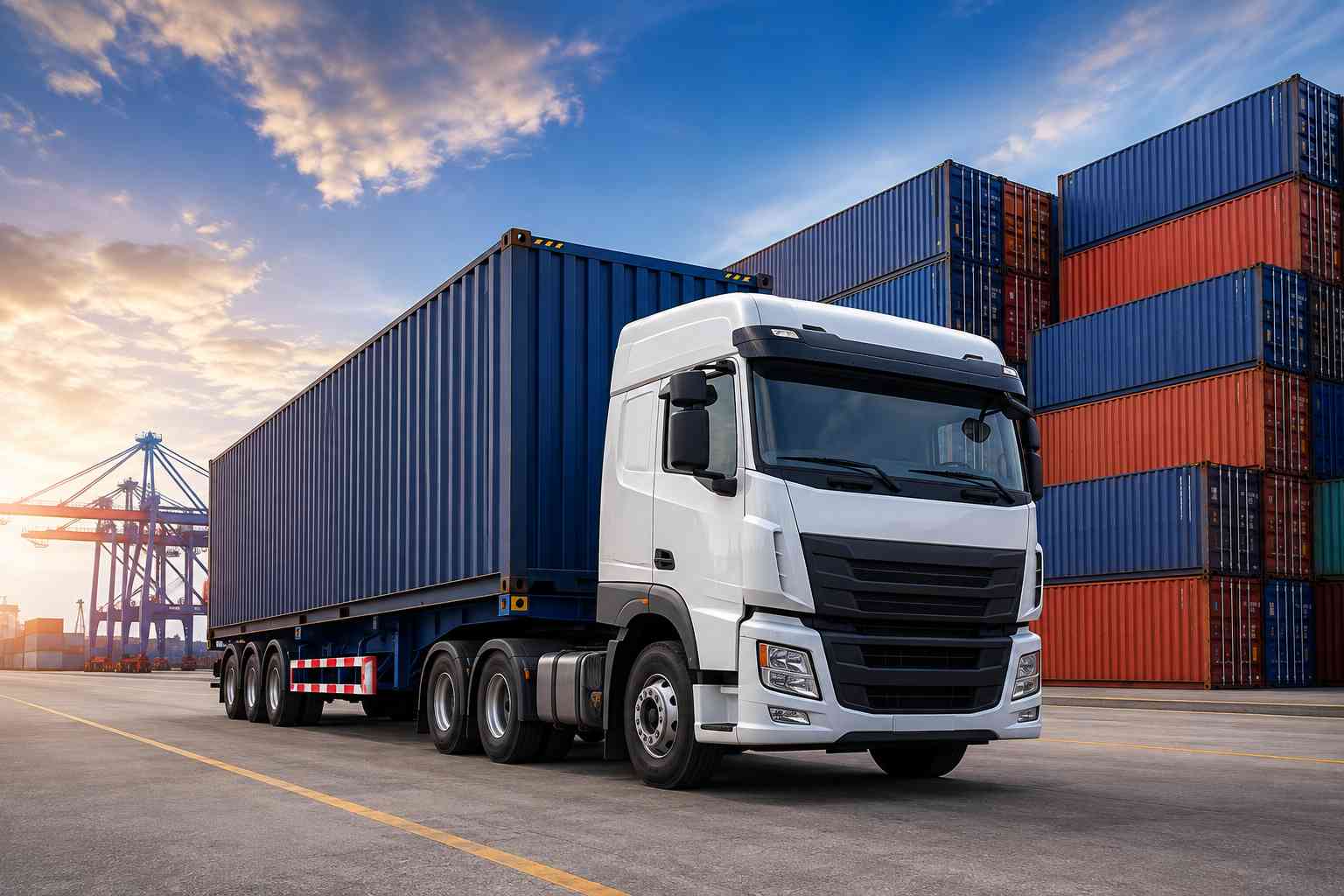
Complete Guide to Container Haulage in the UK
Guides Complete Guide to Container Haulage in the UK
Everything UK businesses need to know about moving shipping containers, from how the process works to choosing the right haulage partner.
ASM Logistics Team · Logistics Guides
If your business imports or exports goods by sea, container haulage is the link that gets your cargo from the port to your door, or from your warehouse to the terminal. It sounds straightforward on paper: a container arrives, a lorry collects it, the lorry delivers it. In practice, UK container haulage involves tight scheduling windows, strict weight rules, port booking systems and a fair amount of coordination that most businesses never see. This guide walks through how container haulage works, what affects cost and timing, and what to look for in a haulage partner.
What Is Container Haulage?
Container haulage is the road transport of shipping containers between ports, rail terminals, container depots and business premises. It covers the “last mile” (and sometimes the first mile) of a container’s journey: after it arrives by sea or before it departs, a haulier moves it by road on a specialist trailer built to carry container units safely and legally.
It differs from general freight haulage in a few important ways. Containers are a standardised size, so the vehicles and trailers used are purpose-built. The cargo inside is often sealed and not visible to the haulier, so the paperwork, weight declarations and booking references matter more than usual. And because ports operate on fixed schedules with limited slots, timing tends to be far less flexible than a typical delivery.
How Container Haulage Works, Step by Step
1. Booking & Information Gathering
The haulier needs the container number, the shipping line, the port or terminal, the collection or delivery reference, and the required date. For imports, this usually comes from your freight forwarder or shipping line once the container has cleared customs and is available for collection.
2. Slot Booking at the Terminal
Most UK ports and container terminals use online booking systems that allocate collection or drop-off slots. Missing a slot, or arriving without one, can mean turning away at the gate and rebooking, so this step is one of the most common causes of delay if it is not managed properly.
3. Collection or Delivery
The driver attends the terminal at the booked time, has the container loaded (or drops it for export), and completes the necessary paperwork, including any interchange or condition reports. From here, the container is hauled to its destination, whether that is a warehouse, distribution centre or another depot.
4. Unloading & Empty Return
Once unloaded, empty containers usually need to be returned to a nominated container yard within a set number of free days, after which storage or detention charges can apply. Managing this return promptly is a simple way to avoid unnecessary costs.
Types of Shipping Containers
- 20ft standard container: The most common general-purpose size, suited to heavier, denser cargo that reaches its weight limit before filling the available space.
- 40ft standard container: Roughly double the volume of a 20ft unit, ideal for bulkier, lighter cargo.
- 40ft high-cube container: Around 30cm taller than a standard 40ft unit, giving extra volume for goods that are light but bulky.
- Reefer (refrigerated) containers: Temperature-controlled units for perishable or sensitive cargo, requiring power connection and monitoring throughout transit.
The size and weight of your container affects which trailer and vehicle combination a haulier will use, and in some cases whether special permits or route planning are required.
What Affects the Cost of Container Haulage
Container haulage pricing is rarely a flat rate, and understanding the main factors helps you budget accurately and avoid surprises.
- Distance and location: The distance from port or terminal to final destination, and whether that location has easy access for large vehicles.
- Container size and weight: Heavier and larger containers may require different trailer types or additional permits.
- Waiting time: Time spent queuing at a terminal or waiting to load and unload can incur additional charges, which is one reason a haulier with good terminal knowledge and booking discipline is valuable.
- Demurrage and detention: Charges from the shipping line or terminal for containers not collected, returned or unloaded within the agreed free time. These are separate from haulage costs but directly affected by how efficiently haulage is arranged.
- Fuel and current market rates: Like all road transport, haulage pricing reflects fuel costs and wider market demand for vehicles and drivers.
Common Challenges in UK Container Haulage
Businesses that ship containers regularly quickly become familiar with a handful of recurring challenges.
Port & Terminal Congestion
UK ports can experience congestion during peak import periods, which affects slot availability and turnaround times. Booking early and working with a haulier who understands terminal patterns helps reduce the impact.
Weight Limits & Verified Gross Mass
UK roads have legal weight limits for HGVs, generally up to 44 tonnes gross vehicle weight for six-axle combinations. Container weight, including the goods inside, must fall within these limits, and under SOLAS regulations a Verified Gross Mass (VGM) must be declared before a laden export container can be loaded onto a vessel. Getting this wrong can delay a shipment at the terminal gate.
Site Access Restrictions
Not every business premises can easily accommodate a large articulated vehicle. Narrow access roads, low bridges or limited turning space all need to be flagged in advance so the right vehicle and approach can be planned.
Driver Hours & Scheduling
UK and EU drivers’ hours rules limit how long a driver can be on the road, which affects how haulage jobs are scheduled, particularly for longer journeys or when a job involves significant waiting time at a terminal.
Choosing the Right Container Haulage Partner
The right haulage partner does more than move a container from A to B. Look for a provider that offers:
- Port and terminal experience: Familiarity with booking systems, gate procedures and common terminal-specific requirements.
- Comprehensive insurance: Full goods-in-transit cover so your cargo is protected throughout the journey.
- Fleet flexibility: The ability to handle 20ft, 40ft and high-cube containers, laden or empty.
- Clear communication: Proactive updates rather than having to chase for status information.
- UK-wide coverage: Reliable service whether your destination is close to the port or several hours inland.
At ASM Logistics, our container haulage service is built around these exact priorities: timely collection, secure transit and on-time delivery, backed by a team that understands the pressures of port deadlines.
Tips for a Smoother Container Haulage Experience
- Share container details, references and deadlines with your haulier as early as possible.
- Flag any site access restrictions before the day of collection or delivery.
- Arrange empty container returns promptly to avoid detention charges.
- Keep a clear point of contact available on the day, in case the driver needs access instructions or has questions on arrival.
- Build in some flexibility around collection windows where possible, particularly during known periods of port congestion.
Frequently Asked Questions
How far in advance should I book container haulage?
Where possible, book as soon as you have your container reference and availability date. During busier periods, earlier booking gives more flexibility around collection times.
Can container haulage companies handle both imports and exports?
Yes, a haulier experienced in container transport should be able to manage both import collections from the port and export deliveries to the terminal ahead of a sailing.
What happens if my container is overweight?
An overweight container may be refused at the terminal or require special permits and route planning. It is always worth confirming the verified gross mass before collection is arranged.
Final Thoughts
Container haulage might look like a simple point-to-point job, but the businesses that get the most value from it are the ones who treat it as part of a coordinated process, with clear information, realistic timelines and a haulier who knows the ports they work with. Get those fundamentals right, and container haulage becomes one less thing to worry about in your supply chain.
Need Container Haulage You Can Rely On?
ASM Logistics provides reliable container haulage across the UK, from port collection to final delivery.